


Photo: Adele Hodde, Illinois Department of Natural Resources
Learn more about white-tailed deer in Illinois in OutdoorIllinois Journal:
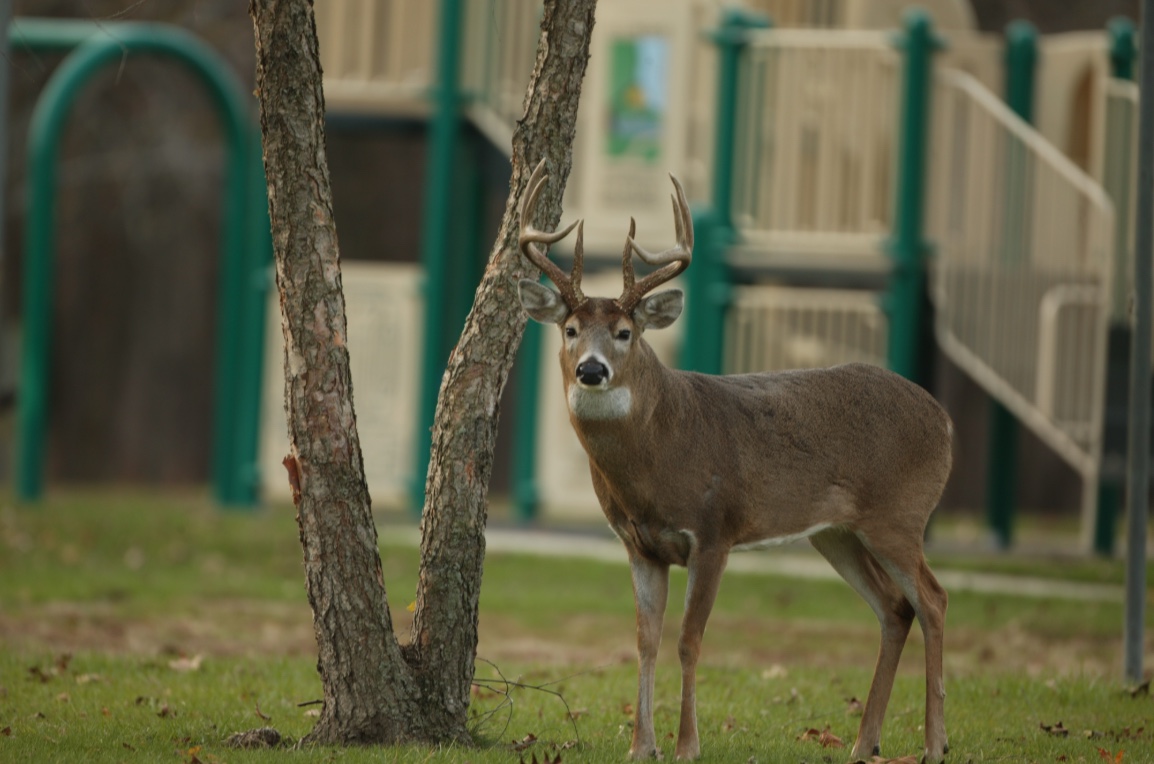
White-tailed deer are the largest native herbivore in Illinois and are an integral part of the Illinois landscape. Many people enjoy watching or hunting deer.
Deer hunting has a positive impact on the Illinois economy as many businesses, such as hotels, gas stations, and restaurants, get a boost from deer hunters’ business. Retail sales of outdoor gear contribute as well. Landowners who lease their property to hunters gain benefits, as do the outfitters who provide guide services.
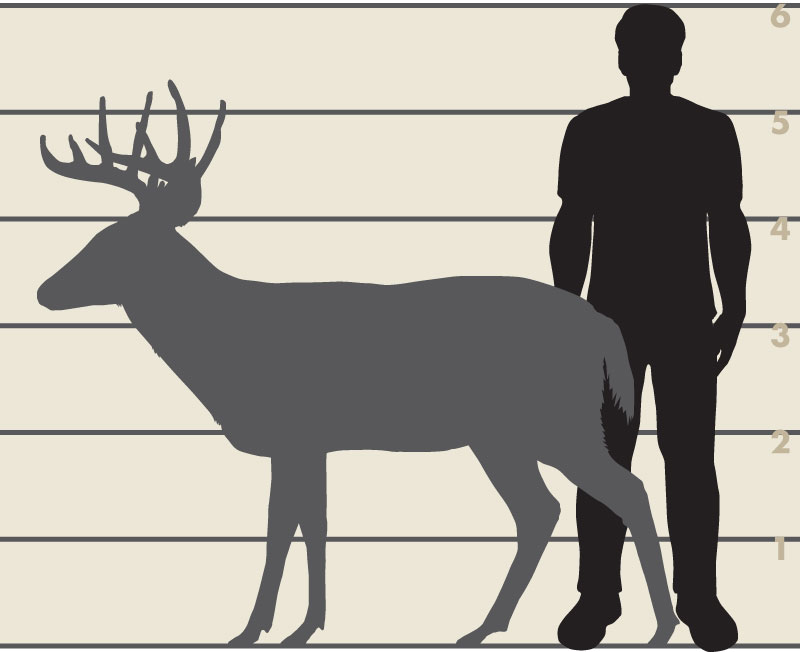
White-tailed deer stand 3 to 3½ feet tall at the shoulder. Adult males (bucks) weigh 150 to 250 pounds, and adult females (does) weigh 100 to 150 pounds.
During the summer the fur of both sexes is reddish brown to tan, and in winter it is grayish-brown. The upper throat, belly, inner rump, and insides of the legs are white, as is the underside of the tail—thus the name “white-tailed” deer.
Young deer (fawns) have a reddish coat with white spots that they molt at three to five months of age.
Typically, only males grow antlers. Unlike horns, new antlers are grown and shed each year. Antlers begin growing in early spring and may be shed as early as December. However, deer with good genetics and proper nutrition may retain their antlers well into March.
This video provides information about collecting shed antlers in Illinois. Video courtesy of the Illinois Department of Natural Resources (2:04 minutes).
Go to the Illinois Department of Natural Resources Hunting and Trapping Digest for current rules on collecting shed antlers.
The heart-shaped tracks of white-tailed deer are easy to identify. There are no other wild animals in Illinois that make similar tracks. On soft ground the dewclaws may also make a mark.
White-tailed deer droppings are easy to identify. Deer leave piles of dark, cylindrical pellets one-half to over one inch long. The droppings look similar to those of rabbits, but deer will leave much larger deposits of droppings.
Other signs that deer are in the area are the presence of deer beds and browse lines. Additionally, bucks will rub trees and may make scrapes (small patches of disturbed ground that the buck urinates on to mark his territory). Click here to learn about other signs of deer.
White-tailed deer occur in every county in Illinois. However, Illinois has not always had a large deer population. By the late 1800s, deer had been nearly eliminated from Illinois. Some small populations remained in the state, and others likely moved in from adjacent states, but the deer population remained very small. Thus, a restocking effort was begun in the 1930s. The population grew quickly due to better habitat (more edge habitat created by humans) and the lack of predators (wolves and cougars had been removed and human hunting was banned).
By the late 1950s the deer population in Illinois had grown large enough to allow a hunting season. The first modern deer hunting season was held in 1957 in 33 counties. Some form of hunting, firearm, or archery now occurs in every county, and the annual deer harvest often exceeds 150,000.
The highest densities of deer in Illinois are associated with wooded areas of the watersheds of the major rivers, especially the Mississippi, Rock, Illinois, and Kaskaskia rivers, and in the Shawnee Hills. The highest urban deer densities in the state occur in urban or suburban natural areas, remnant open spaces, and forest preserves that prohibit hunting.
White-tailed deer are adaptable and opportunistic animals. They will take up residence in areas with little natural vegetation, such as intensively farmed regions and suburban municipalities where they feed in residential areas.
The home range is the area that an animal uses to meet the majority of its needs, including feeding, resting, shelter, escape from predators, and mating. Home range size varies greatly, depending on factors such as food availability, cover, and mortality risks. Males tend to have larger home ranges than females. The distances traveled by some deer during mating season may take them outside of their normal home range. This is also true if they are motivated by the lack of food or driven by hunters or dogs.
Deer move in response to social interactions, food availability, predators, human activities, and weather. They may travel long distances in search of a place to give birth.
Deer are crepuscular animals, meaning they are mostly active between dusk and dawn. Deer become active at dusk when they leave their beds to go out and feed. They may rest during the night and forage again near dawn, or they may continue feeding throughout the night. During the winter they may need to feed during the day to find enough food.
Dispersal is typically a one-way movement from the birth area to a new home range. In one study, 28 miles was the average one-way distance females traveled to a new home range. The females used nearly straight lines crossing roads, rivers, and power line rights-of-way. Dispersing can put deer at risk of vehicle collisions. They also often find themselves in competition for food, cover, or mates.
In study conducted in central and northern Illinois, more males (65%) dispersed than females (39%).
Migration is a two-way movement in response to variability in a needed resource such as cover or food. In Illinois, females may move between summer and winter ranges, but among 282 males studied in central and northern Illinois, no migration behavior was observed.
Deer in Illinois are subject to a number of diseases, but only a few have public health implications.The Wildlife Diseases page has more information about deer diseases and parasites.
In Illinois, deer–vehicle collisions pose a greater danger to people than diseases and parasites that affect deer.
Hunters or landowners who find sick or dead deer are asked to report them using this FORM. All sick or dead deer observations can be viewed on the dashboard.
Habitat is defined as an area where environmental conditions and resources are sufficient to allow for the survival and reproduction of a species. Resources include food, water, and cover, while other conditions include climate and the presence of competitors, disease, or predators. Habitats vary in size, degree of isolation, availability of food and shelter, and level of disturbance.
The Illinois Wildlife Action Plan was designed to guide the conservation of wildlife species, such as deer, and their habitats. The plan is important because in Illinois, 96% of the land area is privately owned. Of the remaining land, only a small amount is available for the state to enhance wildlife habitat. Of the land in Illinois considered to be deer habitat, 32% is “good” and 16% is “marginal.”
Habitat management efforts typically focus on wildlife species that are more specialized in their habitat uses, such as pheasants, quail, and turkey. However, managing such habitat areas often benefits deer.
Landowners typically do not create conditions or habitats specifically for deer, aside from planting wildlife food plots. However, other features on the landscape, such as roads, can have an impact on deer. For example, roads increase the chance of deer coming into contact with vehicles, but deer also use roads to avoid predators.
Deer are generalists and have adapted well to the Illinois landscape of mixed agriculture, forest, and urban habitats. Illinois deer occur in or near wooded areas, particularly those along streams or adjacent to farmland. Deer frequently forage away from woods but require wooded areas for survival. Deer are also found in very developed urban areas of Illinois.
Researchers have reported average home ranges of 0.44 square miles for does living in agricultural areas of Illinois and 0.17 square miles for does living in forest preserves near Chicago. Bucks tend to have larger home ranges than does.
Deer eat a wide variety of foods based on their nutritional needs and the seasonal availability of plants. For example, during the summer and fall they search for plants that are high in protein to prepare for rut and to help them survive the winter. Below are some examples of food that deer will consume.
• Forbs such as geum, buttercup, Solomon seal, and trillium
• Twigs, buds, and leaves of woody plants such as elms, honeysuckle, raspberry, black cherry, maple, basswood, grape, and hawthorn
• Apples, crabapples, and other fruits
• Sweet corn and other vegetables
• Landscape and ornamental plants such as arborvitae and hostas
• Agricultural crops such as corn and soybeans
• Acorns are high in fats and oils, providing an accumulation of fat reserves to help deer through cold midwestern winters. Acorn production is often cyclical, with higher yields occurring every 2 to 5 years depending on the tree species, rainfall, and location. Deer may shift their range in the fall and winter to take advantage of good acorn production. In years when acorn production is low, browsing becomes more important. Where cultivated crops are readily available, the lack of acorns does not pose a threat to survival. But in areas of extensive woodlands, lack of available acorns may influence the general health of local deer.
Deer are browsers in most of their range. When browsing, deer nibble off the tender shoots, twigs, and leaves of trees and shrubs with their lower front teeth. While grazing, deer will eat grasses, especially in suburban areas. In winter, they will paw through the snow to expose edible grasses.
Deer obtain water from three sources: open water, vegetation consumed, and metabolism from oxidation of fats, carbohydrates, and proteins. In the summer, deer require about 1½ quarts of water per hundred pounds of body weight each day. In winter, when water sources are frozen, deer consume snow; although deer require less water in colder weather.
In Illinois there is plenty of food for deer. Supplemental feeding is not needed. In fact, feeding deer in Illinois is illegal in most cases.
Strict rules on feeding wildlife, including deer, are set in the Illinois Administrative Code 17-635.
The Illinois Digest of Hunting and Trapping Regulations also lists the current rules and exceptions on supplemental feeding.
Many deer diseases are transmitted through saliva or fecal contamination by animals sharing common feeding sites. The discovery of chronic wasting disease among deer in 2002 led the Illinois Department of Natural Resources to ban all deer feeding to reduce the spread of this fatal deer disease.
White-tailed deer mate from October through January, with the peak occurring in mid-November. Gestation is about 7 months, with most fawns born from late May through mid-June.
Fewer than 25 percent of does breed in their first year. Bucks do not typically breed until their second year. Deer density and food availability help to determine whether or not young deer will breed. Adult does that receive adequate nutrition will produce twins, and they may have triplets or quadruplets. Thus, it only takes a few years for deer populations to grow considerably in the absence of control measures.
Fawns weigh 4 to 7 pounds at birth and can stand and run within a few hours of birth.
Does often use the same fawning areas they used in previous years. However, sometimes fawns end up in strange places, such as in window wells or on sunny porch steps. If you find a fawn by itself, do not move it.
Fawns less than one month old are unlikely to outrun a predator. Instead, they lie motionless in tall grass or other cover. Their spotted coat helps them blend into their surroundings, imitating dappled sun on vegetation. Their lack of scent also helps to protect them from detection by predators. The doe stays nearby, though not necessarily in sight. She returns to the fawn regularly so that it can feed.
The fawn and doe make sounds and use their sense of smell to help them locate each other. If the fawn is threatened, the doe will snort and stamp her front feet and will charge the predator to drive it away. As the fawn grows and gets stronger, it will begin following the doe as she forages. Fawns are weaned at 4 to 5 months of age.
The major causes of deer mortality in Illinois are hunting and deer–vehicle collisions. Other causes of mortality include:
• disease
• train collisions
• fence entanglement
• poaching
• predation—most often occurs with fawns and weakened adults
• starvation—not a serious issue in Illinois because of the generally abundant food
• severe weather—not typically an issue with mostly mild Illinois winters
Longevity of individual deer is influenced by a range of factors, including their genetics, food availability, habitat, weather conditions, presence of predators, and the prevalence of parasites and diseases in the area.
Coyotes, and occasionally bobcats, prey on very young fawns, but white-tailed deer in Illinois have few remaining natural predators. Hunting is thus an important tool to help control deer numbers.
In hunted areas of central and northern Illinois, average life span was 5½ years for females and 2½ years for males. Some deer do survive longer: the oldest female in one study was 18 years of age, while the oldest male was 9 years old. While survival decreases as deer age, females’ survival does not decrease as rapidly after about 6 years of age.
Aging a deer is often done by studying the teeth for eruption and wear. Another technique using cementum annuli can give a better estimate of the age of a deer. This method analyzes the annual deposition of cementum—the calcified surface layer of the tooth root. The density of cementum varies over time and can be detected as rings denoting years of different growth. However, tooth eruption and wear are more commonly used, as these techniques are faster and less expensive to complete.
Deer use incisor teeth in the front of the bottom jaw and a hard palate on the top jaw to tear and break apart food. Food is chewed by premolars and molars in the back of the jaw. The large gap between the incisors and the premolars is called the diastema.
Occasionally white-tailed deer possessing upper canines are reported. Researchers believe these small, peg-like teeth may be an evolutionary throwback to ancestral deer. A rare occurrence, these teeth may or may not break through the gum and are most often seen by taxidermists or those preparing a European skull mount.
A main complaint about deer is the damage they can cause to landscaping, vegetable gardens, or agricultural crops. When the deer population is not too large, damage can often be limited by using habitat modification, repellents or exclusion. When these damage abatement techniques prove ineffective, removal may be necessary.
White-tailed deer are protected under the Illinois Wildlife Code as a game species. They may not be removed without a license or permit.
Deer sometimes cause damage by browsing trees, shrubs, or other plants. Bucks may also damage woody plants by rubbing their antlers on them. Deer are generalists and eat a tremendous variety of plants. When food is abundant, they will feed heavily on plants they particularly like, but when food is scarce they will eat almost any plant, making it challenging to protect landscaping.
The four main damage prevention and control measures are habitat modification, exclusion, use of repellents, and removal.
Private landowners, homeowners, homeowners associations, and municipalities can find information on controlling deer damage below.
When adding ornamental plantings to your yard, select plant species that are less susceptible to deer browsing. Planting thorny, prickly, or smelly plants can deter browsing. Several organizations have produced lists of plants that are not favored by deer including:
Morton Arboretum: Plants Not Favored by Deer
University of Illinois Extension
Internet Center for Wildlife Damage Management: Deer
If food is scarce due to a severe winter, or if the population of deer in your area is high, the deer may eat plants they do not normally prefer and usually leave alone.
Repellents can reduce the damage that deer cause to vegetation but will not eliminate it. The repellents’ effectiveness depends upon local deer density, the availability of other foods, the palatability of the plants being protected, and the regularity with which the repellent is used. Repellents may prevent deer from eating the plant, but they will not deter damage caused by antler-rubbing.
Repellents can be expensive and must be reapplied as the plant grows and after heavy precipitation. Always read and follow label instructions on the product. Some repellents are not for use on plants intended for human consumption. The Internet Center for Wildlife Damage Management provides more information about deer repellents. For repellents to be most effective, it is best to start using them before damage begins.
Home remedies are not generally effective, but they do work in some cases. Some people have had success in deterring deer browsing by hanging bars of deodorant soap around valuable plants. While bars of soap can be effective, the protection they offer extends only about three feet around the bar. Soap, human hair, blood meal, and bone meal all weather very quickly and lose their effectiveness.
White-tailed deer are excellent jumpers. In order to keep deer off of your property, a wood or wire fence will need to be at least eight feet tall. Electric fences can also help minimize deer damage; they can provide a less costly alternative and can be erected seasonally prior to predicted deer damage.
There are a number of possible fence designs depending on the size of the area to be protected and the population of deer in the area. Keep in mind that fences that are too short or that have gaps can accidentally trap deer as they try to jump over or squeeze through. Specific fence designs can be obtained from your local IDNR district wildlife biologist. The Internet Center for Wildlife Damage Management provides information about deer fences.
Individual trees or plants can be protected by placing a five-foot-tall wire cylinder around the plant. Tree protectors such as Vexar, Tubex, plastic tree wrap, or woven wire cylinders can all help protect new plantings. Placing netting over bushes or other plants can also be used temporarily on a seasonal basis to deter deer.
Public hunting is the primary means of managing deer numbers and minimizing deer related damage. IDNR modifies harvest quotas/regulations on a county-by-county basis to try and strike this balance. This scale of management, however, cannot always address problems with localized over-abundance of deer which can result in significant damage and risks to human safety.
Homeowners in urban areas are often limited in their ability to remove nuisance deer on their property. If solutions such as modifying plantings or using repellents or fencing prove ineffective to reduce damage, an IDNR wildlife biologist can provide guidance on the best management strategy
If the scope of deer damage is greater than can be addressed by individual residents alone, active deer population control by a municipality or homeowners association may be necessary. There are essentially three options available:
1. Urban Hunting Programs
Many successful urban deer hunting programs have been established by municipalities throughout the United States, and the safety record of these hunts has been outstanding. Where a doe harvest emphasis has been mandated, population control has been achieved over time.
Prior to implementing an urban hunting program, city ordinances must be examined to determine if they prevent firearm discharge within the city which would preclude gun deer hunting and if ordinances exist allowing the use of bow and arrow for an archery season. Many communities have no set policy in regard to archery deer hunting, but simply operate under state regulations pertaining to season dates, possession of proper licenses and permits, proper equipment, permission from the landowner, and minimum distance from occupied dwellings.
IDNR biologists can help guide municipalities on the best deer management strategies for the area.
2. Deer Removal Permits
Deer Removal Permits are issued for the removal of individual deer to assist in reducing damage caused by deer or risks posed by deer to human safety. The primary purpose of a DRP is to provide some relief from an immediate, ongoing problem, not to control deer numbers.
Deer Removal Permits may be issued to municipalities to control damage caused by deer in localized areas, such as golf courses, nurseries, orchards, parks, and natural areas, at the time the damage is occurring, as well as to minimize risks to human safety, such as at airports or areas experiencing frequent deer-vehicle accidents.
To apply for a Deer Removal Permit, submit a Deer Removal Permit application. You will be prompted to create an account or sign in with your existing WILD account. A District Wildlife Biologist will review your application and contact you if more information is needed. The permit allows for the removal of deer outside of regular hunting seasons under specific conditions and guidelines set by IDNR.
3. Deer Population Control Permits
Deer Population Control Permits are issued to agencies, organizations, associations, and municipalities to authorize the reduction or control of deer numbers by nontraditional or non-hunting methods. There is an application process which requires the agency or organization to submit a deer management proposal documenting the need for deer herd reduction by nontraditional means, such as sharpshooting. The prevailing objectives for most current deer control programs under these permits are to reduce several factors:
To apply for a Deer Population Control Permit, or for more information about controlling the local deer population, contact the Illinois Department of Natural Resources Urban Deer Biologist at 847-798-7620.
The effective use of the legal hunting season is the best way to control deer populations. While recognizing the need for immediate removal of deer causing agricultural damage, long-term localized deer population control can only be achieved by increasing hunter harvest (especially of female deer) and reducing un-hunted or under-hunted refuges for deer. Deer can be legally hunted in Illinois during set seasons in the fall and winter.
Individuals attempting to use hunting as a deer management tool should recruit safety-conscious, dependable hunters who are willing to follow directions for taking deer. Try to have one hunter for every 10 to 15 acres of wooded habitat.
IDNR has several deer damage permit types in place to help reduce deer damage in the short term and control local deer populations in the long term for landowners experiencing damage to agricultural crops, nurseries, orchards, vineyards, etc.
1. Deer Removal Permits (DRP)
Deer Removal Permits are issued for the removal of individual deer to assist in reducing damage caused by deer or risks posed by deer to human safety. The primary purpose of a DRP is to provide some relief from an immediate, ongoing problem, not to control deer numbers. DRPs can be issued to a landowner or tenant on the land in which damage or risk to human safety is occurring and who can demonstrate that deer are causing substantial damage to crops, property, or posing risks to human safety. The permit allows for the removal of deer outside of regular hunting seasons under specific conditions and guidelines set by IDNR.
To apply for a Deer Removal Permit, submit a Deer Removal Permit application. You will be prompted to create an account or sign in with your existing WILD account.
2. Deer Damage Abatement Permits (DDAP)
Deer Damage Abatement Permits are antlerless-only deer permits available for purchase by a landowner, tenant, or individual designated by the landowner or tenant and listed as a shooter on the associated DRP, for use during the statewide deer hunting season. DDAPs will be issued when at least 50% of the tags are filled under a DRP issued for deer causing damage. The landowner or tenant, who was issued the DRP, and any designated shooter listed on the DRP become eligible to purchase DDAPs. DDAPs are only valid on the property for which the associated DRP was issued.
3. Supplemental Deer Removal Permits (SDRP)
Supplemental Deer Removal Permits are permits issued proactively for the removal of individual deer to minimize damage as soon as it occurs. In order to receive a SDRP, the landowner or tenant must have received a regular Deer Removal Permit the previous year, met the requirements to qualify for Deer Damage Abatement Permits, purchased at least 10 DDAPs collectively between the landowner/tenant and designated shooters, and must have filled at least 80% of the DDAPs purchased. SDRPs are only valid on the property for which the associated DRP was issued.
In Illinois, white-tailed deer are protected under the Wildlife Code as a game species. Deer can be legally hunted in Illinois during set seasons in the fall and winter. The Illinois Digest of Hunting and Trapping Regulations provides season dates and limits.
Homeowners are not permitted to remove nuisance deer. For additional information on removing deer causing property damage contact your local IDNR District Wildlife Biologist.
It is illegal to take live deer from the wild unless you are a wildlife rehabilitator who is licensed by the IDNR or you have received a permit from the IDNR.
White-tailed deer killed or injured as a result of a collision with a motor vehicle may be legally possessed by an individual if the following criteria are met:
Illustrator: Lynn Smith
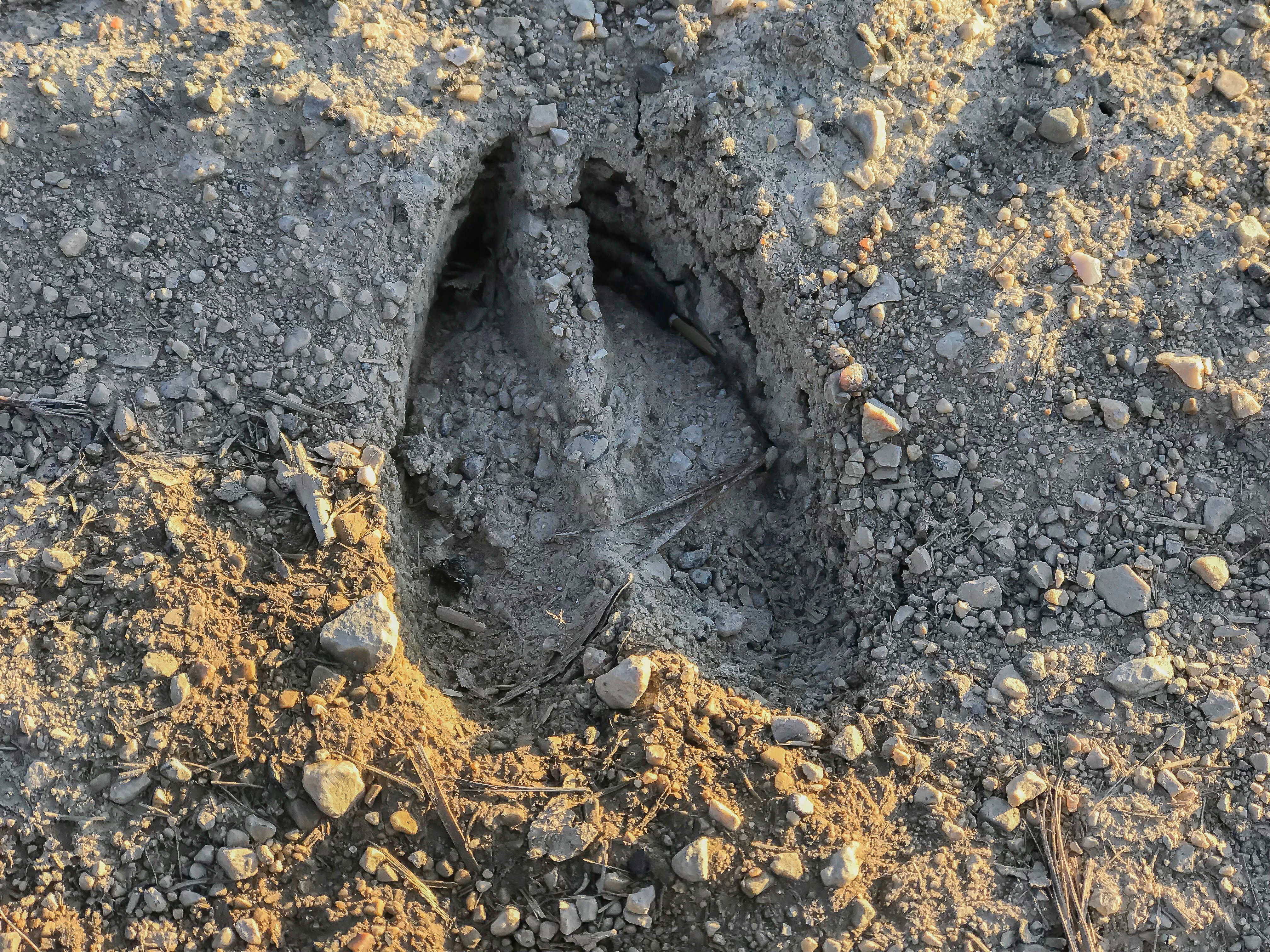
Photo: Ken Wick
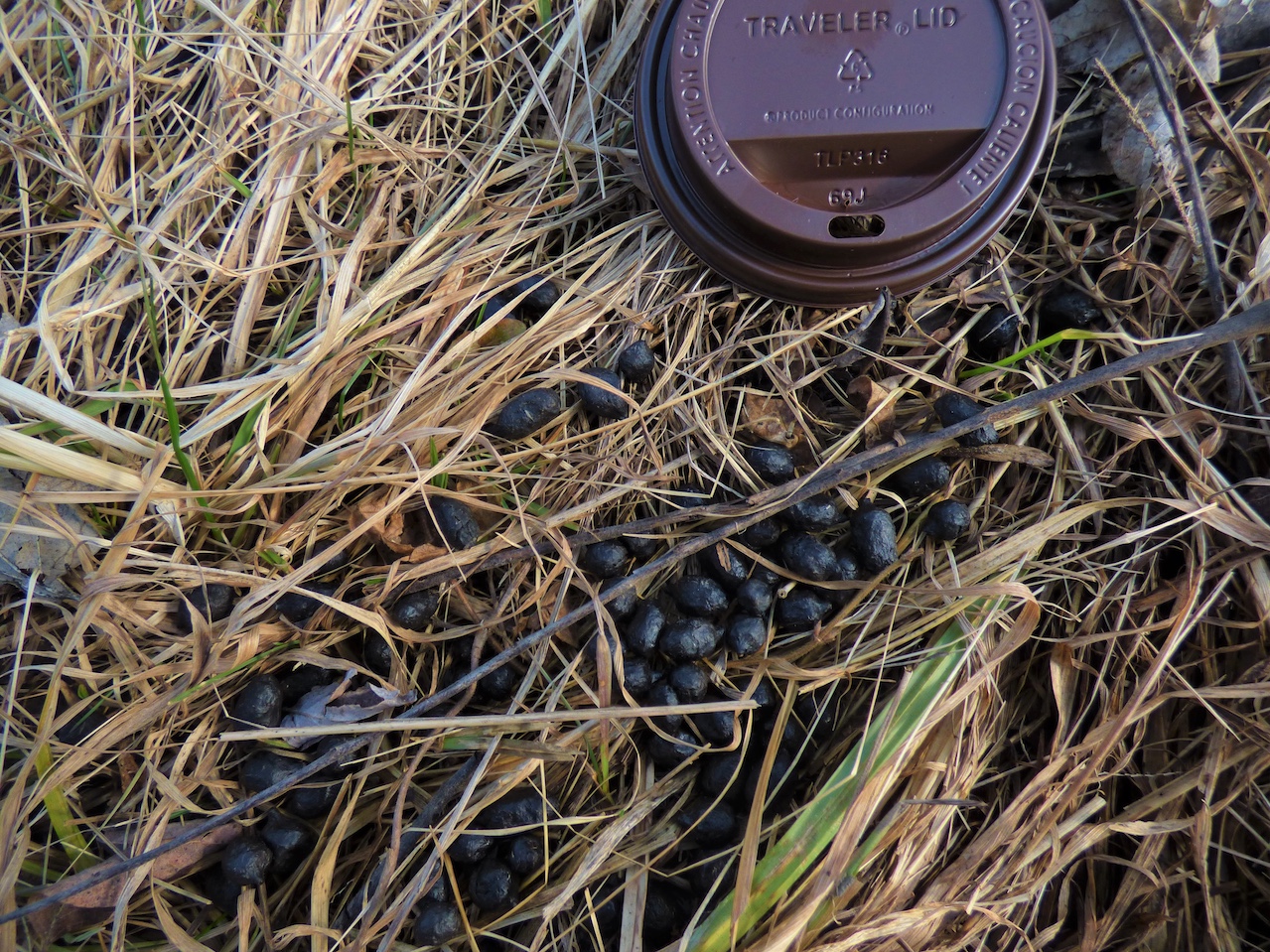
Photo: Jared Duquette
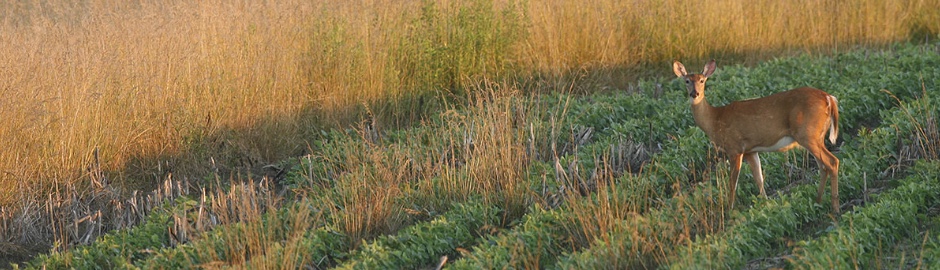
Photo: Chris Young
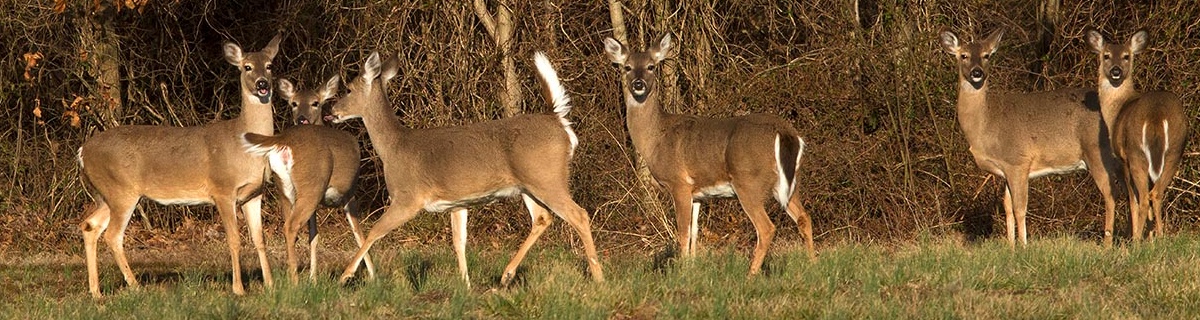
Photo: IDNR image library
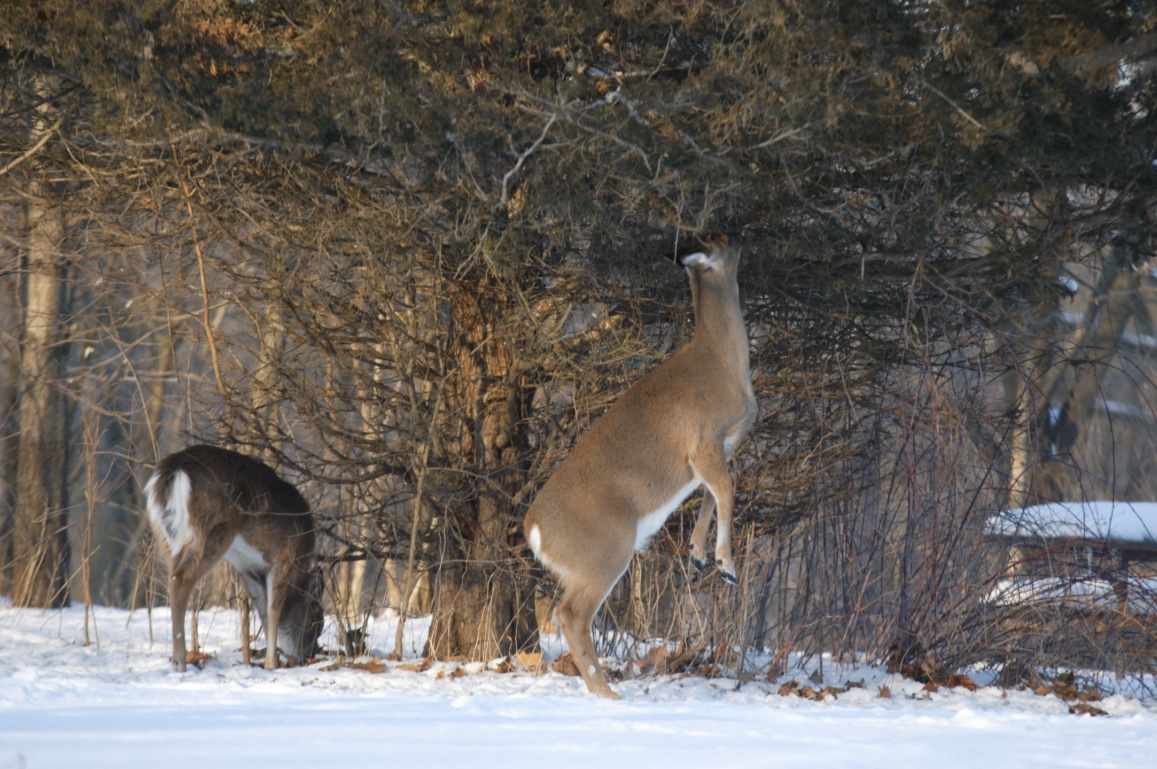
Photo: Adele Hodde, IDNR
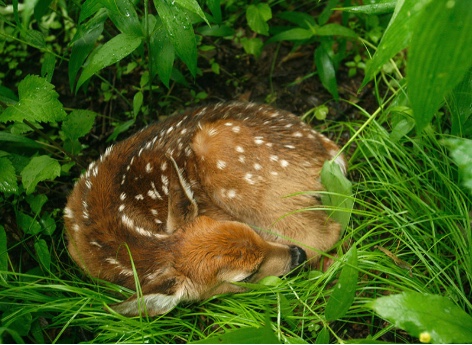
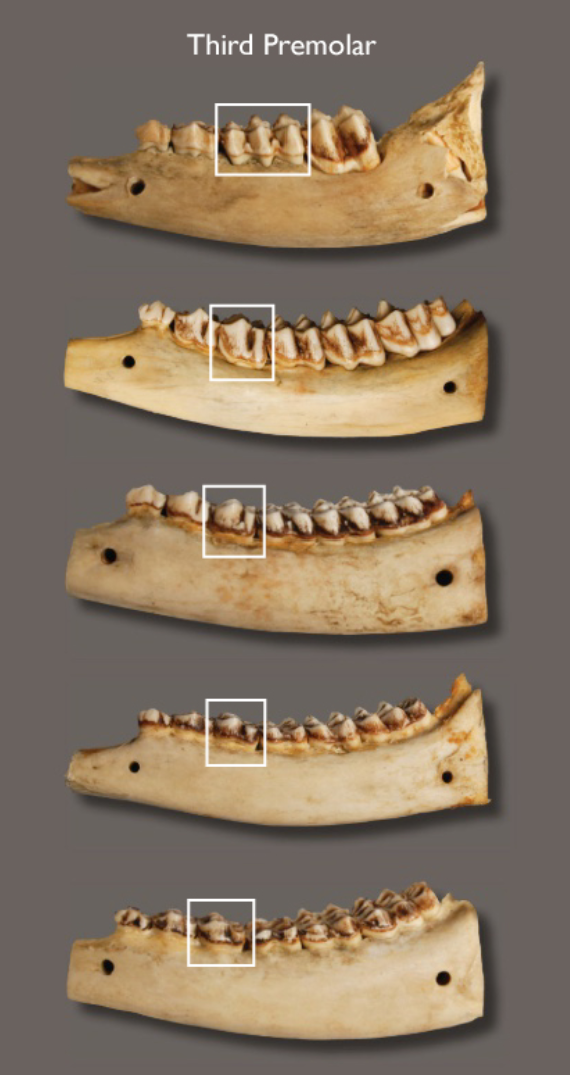
Photo: Illinois Department of Natural Resources